
[ad_1]
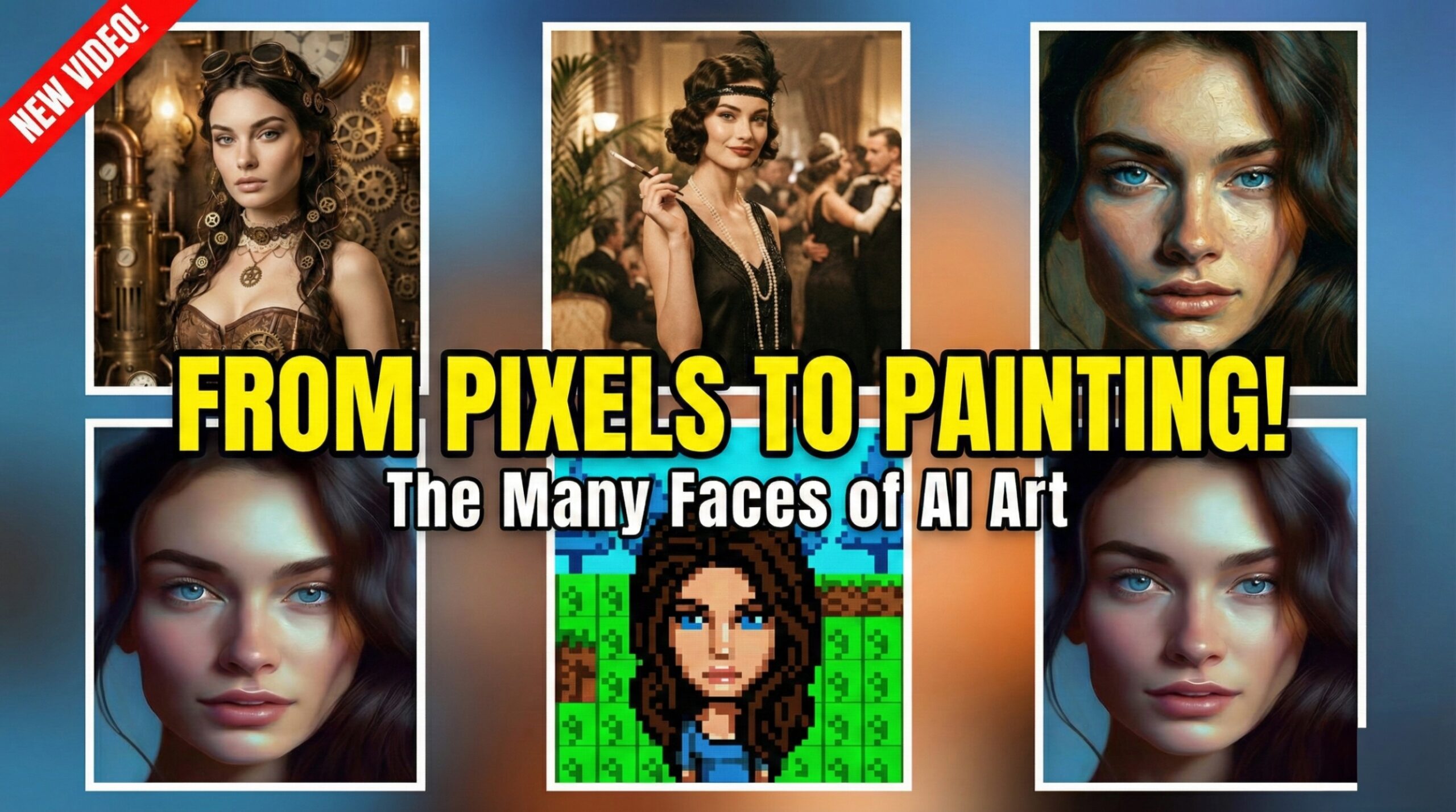
Google Photos has been encouraging the usage of these image-editing technologies in its Remix feature. Google Photos is providing the photos with the assistance of some templates in one-tap conversions to various formats, starting from clay statues to comic books to 8-bit video games. Though these are interesting and exciting, yet eventually, they tend to look all the same, as well as drift quite far from the original image.
Considering how powerful their Nano Banana and Nano Banana Pro models are for image creation & editing via Gemini 3, the remix option seems a little boring. This is because you’ll be left with pictures that not only appear more interesting but also closer to their original form.
1. Cinematic scene
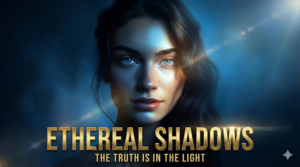
Using a photo of myself for the baseline, I started with a simple stylistic shift that is true to the photo, aiming for a movie poster but sending Nano Banana the following prompt with all several extra prompt tricks:
“Take this photo and reframe it as a cinematic still from a blockbuster movie poster: dramatic lighting, ultra‑high contrast, cinematic framing, lens flare accents, and bold title text at the bottom matching the mood.”
Instead of just laying a few key elements from the photo over the image, I’ve had the AI use some classic cinematic principles of lighting, composition, and style of text. The idea is to get the AI to treat your photo as if it were a still frame from an imagined world. The result hangs together in mood and emphasis in ways that preset remixes rarely achieve.
2. Time capsule
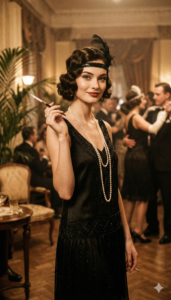
Google Photos Remix options are fairly general as far as the period and location in which the action takes place, although perhaps with the spooky Halloween ones. I chose to create a set of instructions whereby the image itself would be dated in the most specific of circumstances. Placing the image firmly within the context of the past is far and away preferable from the mere nostalgia of sepia tones, and so I instructed the following:
“Turn this image into a historically accurate scene from the 1920s (or your chosen decade): correct clothing styles, period‑specific color grading, era‑appropriate props and background, and realistic film grain.”
The same question could apply to any other period; I simply chose the 1920s because of the century difference that I wanted to compare it to. The setting, clothes, accessories, bag, everything has been made more believable while still remaining identifiable as an AI. Like I mentioned before, it is the details that will take an extra moment or two longer to access from Google Photos, but it is well worth it if you are going to do it.
3. Masterful art
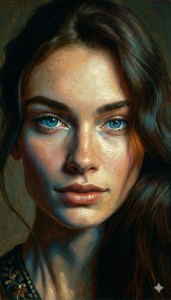
The art style remixes are interesting, but one-note. If you want a more direct artistic homage, it’s better to ask Nano Banana to study and emulate the characteristic techniques of a renowned artistic school, whether cubism, or, in my case, Dutch Old Masters. Instead of just tapping the vaguely Impressionist image offered as a Remix, I wrote a prompt asking Nano Banana to:
“Reimagine this photo in the style of Dutch Old Masters (though any specific art school or master will do): accurate brushwork, medium texture, lighting, and composition consistent with these artists’ work, while preserving the original subject’s identity.”
The art style remixes are interesting, but one-note. If you want a more direct artistic homage, it’s better to ask Nano Banana to study and emulate the characteristic techniques of a renowned artistic school, whether cubism, or, in my case, Dutch Old Masters. Instead of just tapping the vaguely Impressionist image offered as a Remix, I wrote a prompt asking Nano Banana to:
4. 8-bit entertainment
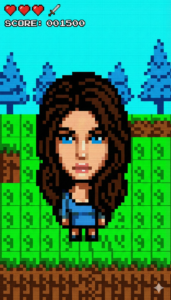
“Google Photos has already provided an 8-bit remix option,” “But this looks more like a prank and less like an actual transformation. I wanted it to look exactly like my original photo but in this completely different pixelated format.”
“Reimagine this photo as an 8-bit video game screenshot: low-resolution pixel art, limited color palette matching retro console specs, blocky environment tiles, simple UI overlay with hearts or score, and characters reduced to expressive pixel avatars.”
Nano Banana gave me a chubbier sprite avatar with tile repetition, and all the emotional subtlety is distilled down to three or four pixels for the eyebrows. It is a scene that is a snapshot in time with hearts and a score counter for some hypothetical video game in a pixelated flashback.
5. Steampunk street portrait
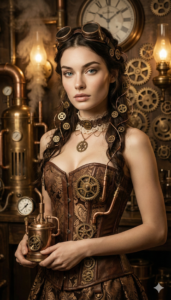
I wrapped up my prompt style concepts with a slight mix of new concepts and some upgraded aspects from Google Photos Remix. This is an alternate reality world in terms of style and environment, including some retro designs and completely un-real aesthetic concepts, including a focus on steampunk. I asked Nano Banana:
“Transform this photo into a richly detailed steampunk setting: brass and copper mechanical elements, Victorian-era clothing with modern twists, steam-powered devices in the background, warm sepia lighting, and stylized gears or clockwork embedded in the environment.”
Nano Banana created a strong industrial fantasy look beyond my clothing, and a painting suitable for the Victorian age, albeit in a impossible location with a weird suitcase and lots of unnecessary accessories. The thing that makes this look alive is not solely due to accessories but also because Nano Banana created a piece that is cohesive but also looks like me instead of discarding my original look to ensure a strong resemblance to the desired look.
Google Photos Remix is always going to be useful as long as you need it right away. But it pales in comparison to the much more interesting and complex achievements of Nano Banana, especially if you can start with the right starting ideas, as listed above.
[ad_2]

