
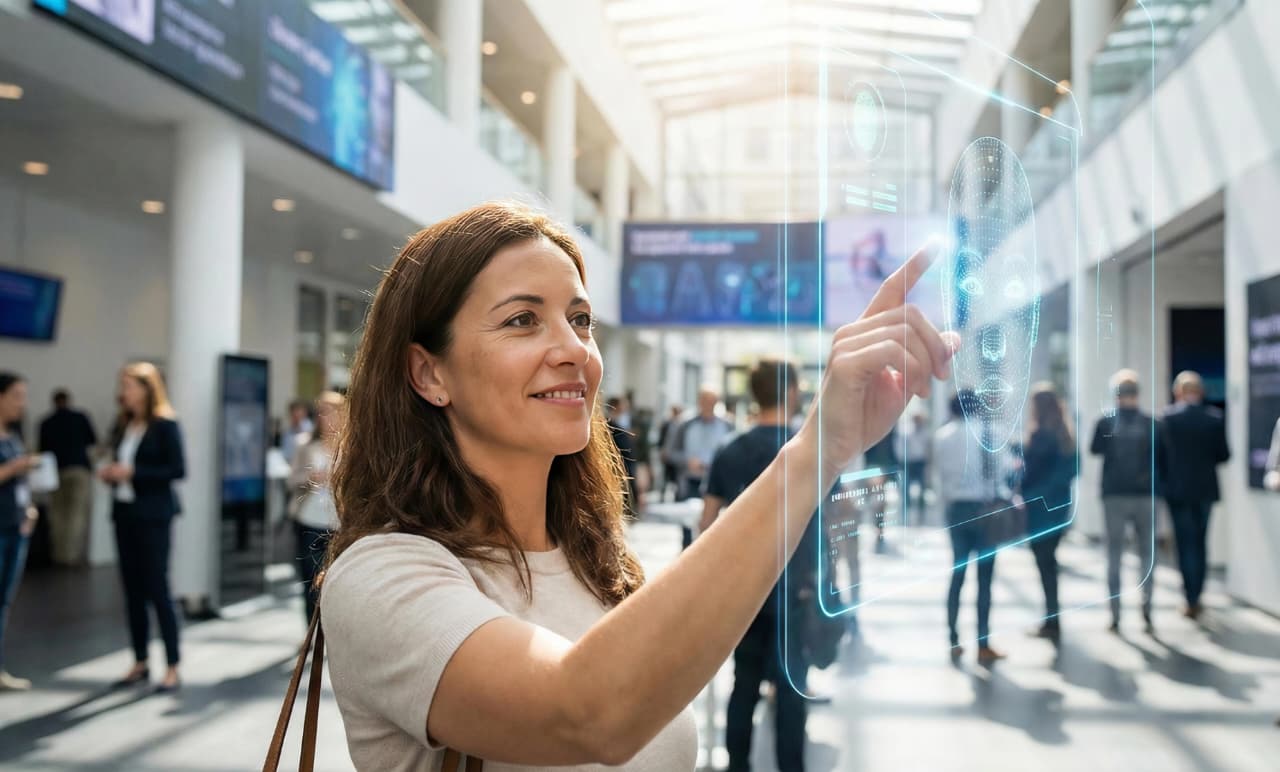
- In fact, four out of five people feel that AI will have some effect on their job.
- Younger employees are most concerned with job displacement
- Human connections are a requirement in the workplace, no matter the role of AI.
According to a new study by Randstad, the generation of employees most concerned with the replacement of human jobs by AI are Gen Z, who are actually the heaviest users of AI, while Boomers are the most confident in adapting to new trends at the workplace.
Overall, four in five expect that AI will impact their work in some way and shape or form, but 47% believe that the benefit of AI would accrue to the employer rather than the employee.
One in five respondents also said they believe their occupation is not affected by AI, but it is clear there is a need for preparation and change.
Two-thirds (65%) agreed that they need upskilling or will be left behind, although the question of whom it is the responsibility of is a matter of fierce debate. Half (52%) have taken the matter of upskilling into their own hands.
Another finding by Randstad was that there are trends in the job market, and the number of job openings that require AI agents increased by 1,587% in 2025. There was also an increase in the demand for prompt engineers by +403% and AI trainers by +247%.
“Labour markets are under huge pressure, and only those that adjust will succeed,” wrote CEO Sander van ‘t Noordende.
The information also helps businesses know how they can recruit and keep employees using the good work-life balance that they offer.
In addition, the human element is always essential to every working environment. Nearly three-quarters of employees learn soft skills from senior colleagues (78%) or tech and AI skills from younger colleagues (72%).
“However, the need for human connection remains at the heart of organizations, with the manager’s role increasing in importance with regard to providing stability in the Great Workforce Adaptation,” van ‘t Noordende went on to say.
Leave a Reply