
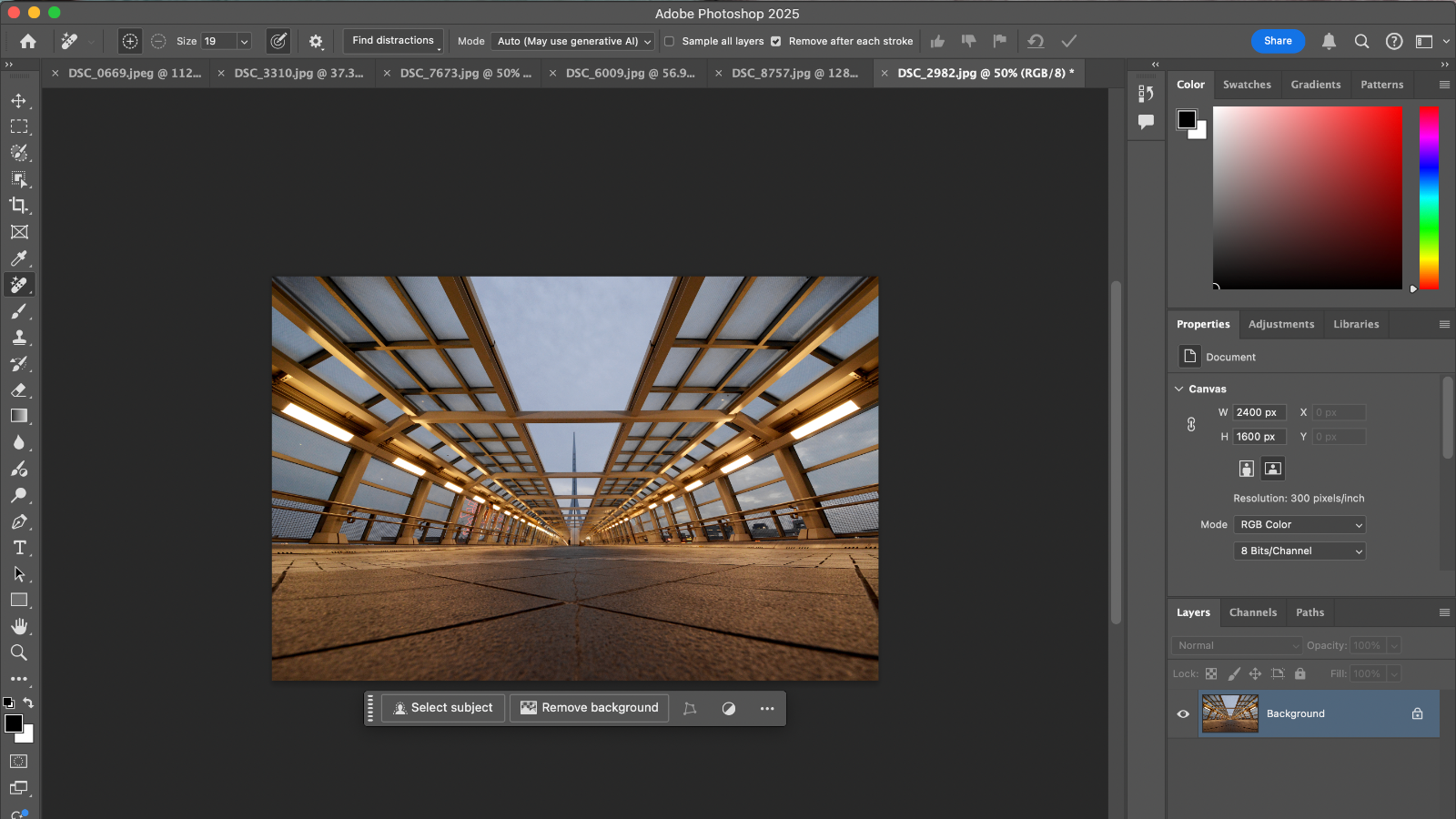
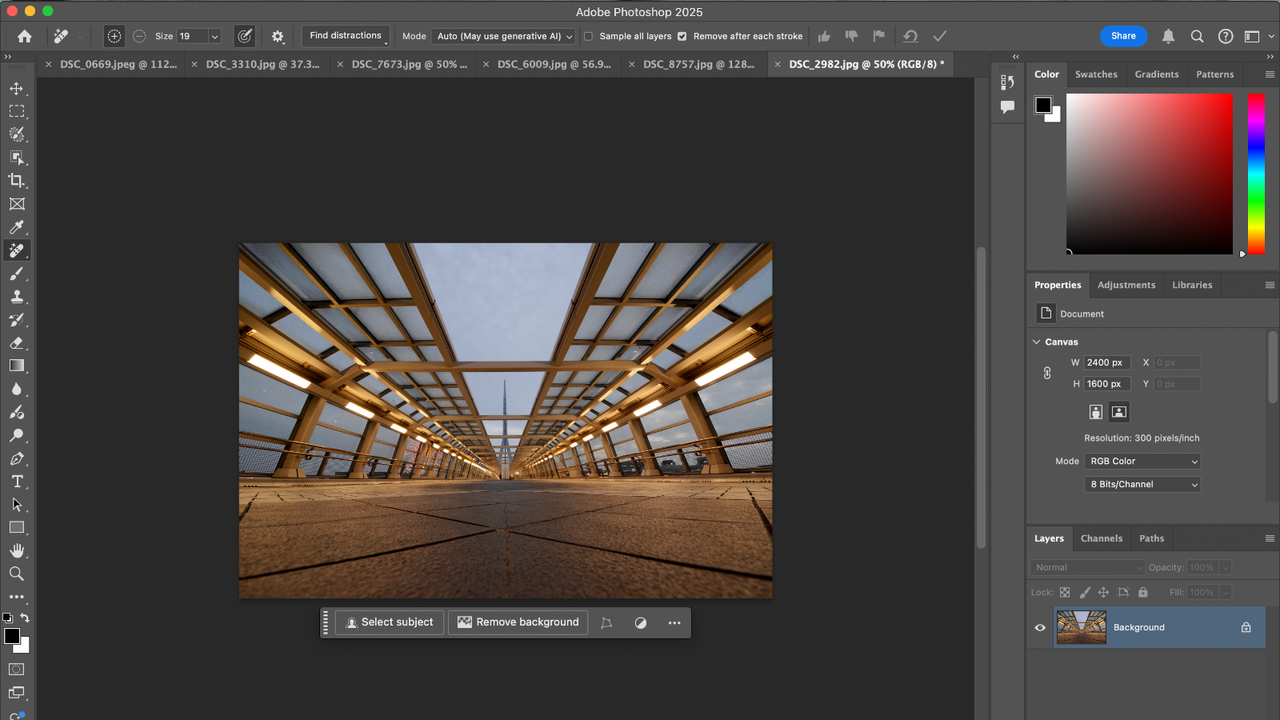
- Photoshop is no longer officially supported on Linux; instead, it runs on patched compatibility layers.
- Installers of Creative Cloud fail because standard Linux environments lack Windows subsystems.
- Because Internet Explorer’s behavior is still deeply ingrained, wine has trouble with Adobe installers.
One of the biggest barriers to users switching to open source platforms is the long-standing incompatibility between Linux operating systems and Adobe’s Creative Cloud suite.
A developer known as PhialsBasement has documented a way to install and run recent versions of Photoshop, specifically the 2021 and 2025 releases, on Linux systems, suggesting that this barrier may be beginning to weaken as a result of focused technical work.
The official installation path, which Adobe has restricted to Windows and macOS environments, is circumvented by this method.
Deciphering the installer’s demands
The Adobe Creative Cloud installer’s intricate architecture, which depends on particular Windows subsystems that Linux does not natively provide, is the main source of difficulty.
Although it converts Windows API calls into POSIX-compliant calls, the Wine compatibility layer has historically had trouble with these installers. MSHTML and MSXML3 were the primary points of failure.
These parts parse the XML configuration files and render the HTML and JavaScript interface of the installer.
Standard Wine setups are unable to adequately replicate the environment that the installer framework expects, which mimics older Internet Explorer behavior. The solution modifies Wine’s interaction with these subsystems by introducing a number of patches.
Get all the best news, commentary, features, and advice your company needs to thrive by subscribing to the TechRadar Pro newsletter!
The patches fix Wine’s internal handling of identifiers so system calls route and execute correctly, and they also wrap data in CDATA sections to prevent strict parsing errors on Linux.
A crucial component of the fix compels Wine to mimic Internet Explorer 9’s event handling behavior. This enables the user interface of the installer to operate as intended by the developers.
According to the developer’s reports, these modifications enable error-free installation and stable application performance.
Thanks to this innovation, Linux users can now use Photoshop as a powerful image editor. It also implies that in the future, Linux may be able to run additional Adobe programs, such as video editing software.
The fixes were first submitted by the developer to Valve’s Proton repository, a Wine fork tailored for gaming, but the maintainers rejected them and recommended submitting them via WineHQ instead.
Therefore, in order to use this method, users need to manually compile a patched version of Wine from the source code provided by the developer.
Despite the technical achievement, the path these patches followed highlights the fragmented nature of compatibility development.
The process requires technical expertise, which limits its practical reach and gives it more symbolic value than immediate widespread use.
This work shows that the barriers blocking professional creative software on Linux are not insurmountable, and upstream adoption of these fixes could improve access to other Adobe applications.
For now, Linux users must rely on unofficial patches, since no native support exists.
Leave a Reply