

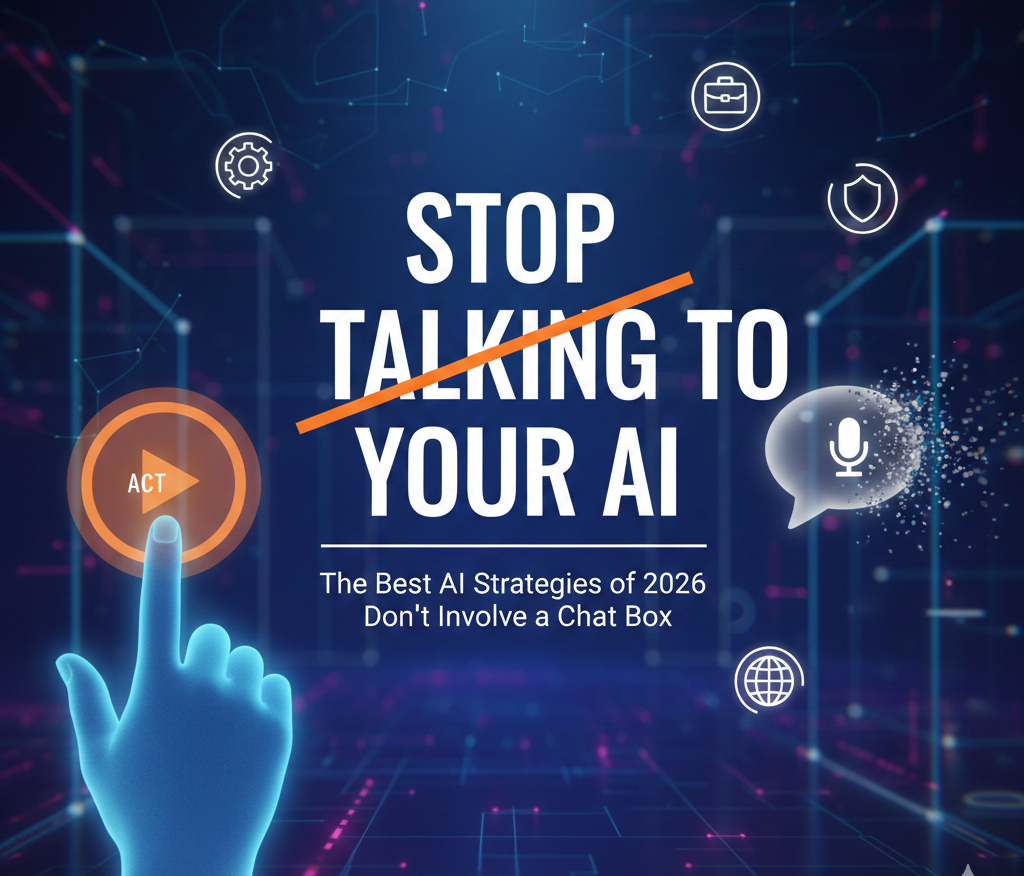
By 2026, excitement around chatbots had faded. Instead of just waiting to be asked something, artificial intelligence began acting on its own. It started moving through digital spaces without needing constant direction.
A blog taking shape might find clarity through this loose look at the “Rise of AI Agents.” Shaping how readers see it could start right here, piece by piece. One idea follows another, not in steps but in glimpses. Thoughts connect without force, linked like currents beneath still water. Each point arrives on its own time, refusing to rush. Seeing the whole picture means allowing fragments to settle naturally. This isn’t about speed, more about letting understanding grow around each part.
The 2026 Shift: From “Chat” to “Complete”
- From Passive to Proactive
- Back in 2025? Just asked a bot about flights, grabbed the info it gave, then did the booking on your own. One step at a time – no shortcuts, just typing things twice. The machine showed options, yet you handled every click alone. It handed facts, sure, but never touched the reservation part. No magic involved, really: read, transfer, confirm – all by hand.
- Next weekend? A traveler says they want a Dubai trip under twelve hundred dollars. The agent checks their schedule first thing. Flights get scanned through live airline systems right afterward. Seat choices are already stored, so those apply automatically. Once payment finishes, an invitation shows up in the calendar. Done without extra steps.
2. Multi-Agent Systems (The “Supervisor” Model)
Now companies run on systems where many small experts handle tasks. A main coordinator picks which expert should act, rather than relying on one big brain for all jobs
- Each time it runs, the SQL Agent grabs the information.
- Finding the odd bits is what the Analyst Agent does.
- Your CRM gets updated by the API Agent, also Slack does too.
- Workers find themselves swapping endless copy-paste tasks for careful checks. Time once lost to repetition now feeds into thoughtful approval steps. What used to be mechanical entry shifts toward judgment-based work. Focus moves from rote doing to active oversight. Effort flows less into duplication, more into validation
3. Key Technical Drivers of 2026
Something shifted. Key rules finally caught on, making the leap happen
- A single tool connects artificial intelligence to business systems – think ticket trackers, customer databases, even internal scripts. It works right away, no unique setup needed each time it links to something new.
- Weeks go by, yet choices you made still stick around. Those old moves shape how agents act later. Feedback slips into their steps without force. Slow changes appear when they work again. Your history quietly guides what happens next.
- Imagine an AI mind hooked up to helpers – search engines, fact checkers, tools – that guide its responses. Not standalone smarts, but a team effort where each piece plays referee. Sometimes answers come fast, yet second thoughts arrive through filters that question assumptions. The core might dream up replies, though outside layers test them against real data. Accuracy grows when one part thinks while others watch closely. Instead of trusting guesses, results pass checkpoints before landing on screen. This network acts like reflexes backing instinct with evidence.
4. Why Businesses are Obsessed
Now showing up after years of waiting – real gains that boost earnings, not just cheerleading about getting more done. A number finally climbs above zero where it counts: the bottom line
- Half the effort, twice the speed – teams handling buying and payments now move much faster. Some finish tasks in less time thanks to automated helpers doing routine steps. Work that took days now wraps up sooner. Efficiency jumps when repetitive actions get streamlined. Progress shows clearly in daily operations.
- A lone marketer might set ten bots loose – suddenly campaigns span continents fast. Speed shifts when one mind guides many hands without waiting weeks.
- Machines keep working even when you are asleep. Instead of waiting around, they check websites or delivery routes in the middle of the night. If something goes wrong, say a shipment gets stuck, it finds another way without asking first. By sunrise, fixes are already done.
5. The “Human-in-the-Loop” Guardrails
Losing faith moves faster than fixing it. What breaks most in 2026 won’t hum or glitch – people stop believing.
- A single click might start the process, yet someone still has to approve each $5,000 move by hand. Machines set things up just fine, though real people keep control at the final step. Even automated workflows pause here, waiting on a live decision before anything goes through.
- Start by tracking each choice an agent takes – every single one gets recorded. When trouble shows up, step backward through its thinking steps. See precisely where things went off track, like spotting a slip in reasoning. That moment of confusion? It leaves footprints. Follow them.